The Role of Social Connections in SIL Living (Making Friends and Finding Support)
Discover the importance of social connections in SIL living—make friends, find support, and build a stronger community for a happier, more independent life.
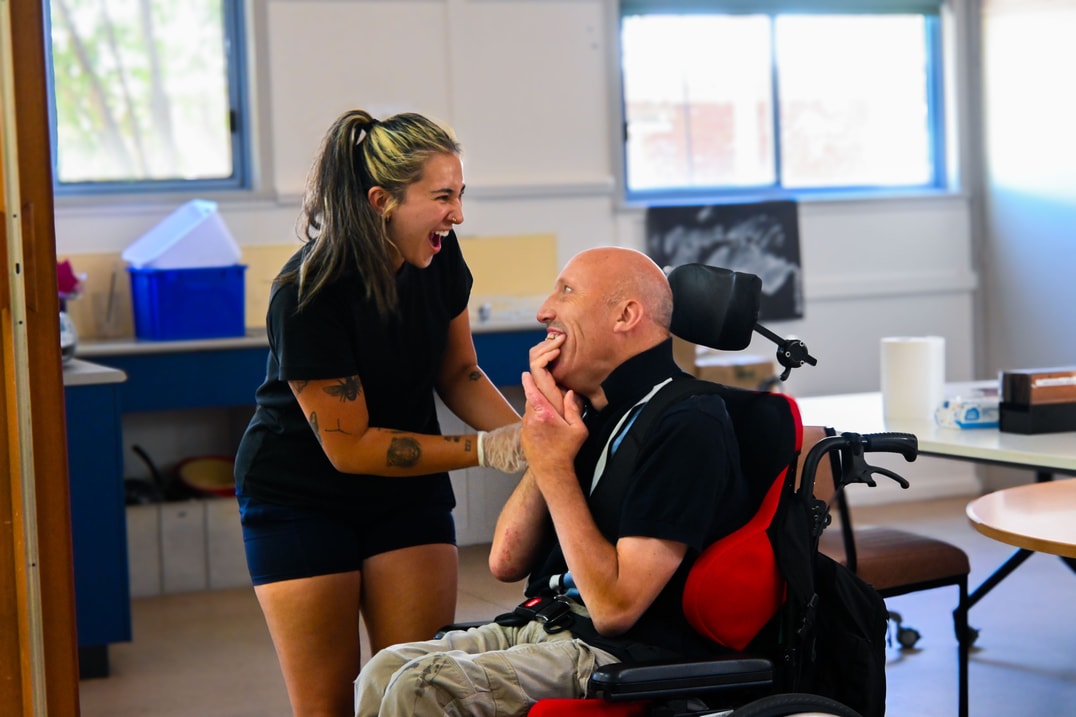

Independent living means being able to live in your own home or community with freedom and control over daily life. It is important for people of all ages, especially those with disabilities or older adults, to have the ability to manage their own routines and make choices about how they live.
Accessibility features play a key role in supporting independent living. Simple changes like ramps, handrails, and easy-to-use appliances can make daily tasks safer and easier, helping people remain active, confident, and comfortable in their homes.
This blog will explore the key features that make independent living easier and safer. We will look at practical solutions that improve mobility, safety, and overall quality of life, helping people live independently for longer.
Discover your ideal home with Scope Supported Independent Living (SIL)
Ensuring mobility and physical accessibility is crucial for independent living. Key features include:
Wheelchair Ramps and Lifts: These provide safe and easy access to homes, workplaces, and public areas. They remove physical barriers and allow people using wheelchairs or mobility aids to enter and exit spaces independently.
Wide Doorways and Hallways: Wider passages make it easier to move around with wheelchairs, walkers, or other assistive devices. They reduce the risk of accidents and create a more comfortable and navigable home environment.
Stairlifts and Handrails: Stairlifts help individuals move safely between different levels of a home without needing to climb stairs. Handrails in hallways, bathrooms, and staircases provide stability and reduce the risk of falls.
Non-Slip Flooring and Level Surfaces: Installing non-slip surfaces and ensuring floors are level helps prevent slips and trips, making it safer for people with limited mobility to move freely.
Accessible Bathrooms and Kitchens: Modifications like lower sinks, adjustable countertops, and walk-in showers support safe and independent use of these essential spaces.
Bathrooms and kitchens are high-risk areas in any home, so adapting them for independent living is essential for safety and convenience. Grab bars and non-slip flooring are critical safety features that help prevent slips and falls. Strategically placed grab bars near showers, toilets, and sinks provide support, while non-slip mats or flooring reduce the risk of accidents, especially in wet areas.
Accessible sinks, counters, and cabinets make it easier for people with mobility challenges to use the kitchen and bathroom independently. Lowered countertops, pull-out shelves, and easy-to-reach cabinets allow users to perform daily tasks without strain or assistance. Adjustable sinks and counters can also accommodate wheelchairs, ensuring that the space is functional for everyone.
Walk-in showers and adjustable bathtubs enhance both comfort and safety. Walk-in showers eliminate the need to step over high ledges, reducing fall risks, while adjustable bathtubs allow for safer bathing, whether sitting or standing. These adaptations make daily routines easier, increase independence, and provide peace of mind for both residents and caregivers.
Smart home technology can make independent living safer and more convenient. Voice-controlled devices allow users to operate lights, thermostats, and appliances simply by speaking commands. This reduces the need to move around unnecessarily and makes daily tasks easier for people with limited mobility.
Automated door locks and security systems provide added safety and peace of mind. Residents can lock or unlock doors remotely, monitor entrances, and control access without relying on others, enhancing personal security and independence.
Fall detection sensors and emergency alerts offer immediate assistance in case of accidents. These devices can detect falls or unusual activity and automatically notify caregivers or emergency services, ensuring prompt help when it is needed most.
Accessibility features for vision and hearing are essential for independent living, especially for people with sensory impairments. Large-print labels and tactile signage help those with visual difficulties navigate their home safely. Clear labels on cupboards, appliances, and rooms, along with tactile markings, make daily tasks easier and reduce the risk of mistakes or accidents.
Hearing aids and amplified sound systems improve communication and allow residents to stay connected with family, friends, and caregivers. These devices make it easier to hear alarms, doorbells, phone calls, and conversations, supporting independence and social engagement.
Visual alarms and alert systems provide safety in emergencies by using flashing lights or other visual cues to indicate fires, carbon monoxide alerts, or doorbell notifications. These systems ensure that even those with hearing impairments can respond promptly and safely in urgent situations.
Adaptive furniture and equipment play a vital role in supporting independent living by making everyday tasks easier and safer. Adjustable beds and chairs provide comfort and can be customised to the user’s needs, allowing for easier sitting, standing, and resting without assistance.
Reachers and grab tools help individuals pick up items from the floor, reach high shelves, or handle objects without bending or stretching, reducing physical strain and promoting independence.
Mobility aids such as walkers, scooters, and canes assist with safe movement around the home and community. These devices improve balance, reduce the risk of falls, and help residents maintain an active and independent lifestyle.
Accessible transportation is essential for maintaining independence and staying connected with the community. Public transport allow people with mobility challenges to travel safely to work, appointments, or social activities without relying on others. Features such as wheelchair ramps, low-floor buses, and priority seating make travel more convenient and inclusive.
Parking and pathway modifications also play a key role in accessibility. Designated accessible parking spots, level pathways, ramps, and clear signage ensure that people can move safely and confidently in public spaces. These modifications reduce barriers, support independence, and make it easier for individuals to participate fully in community life.
Accessibility features empower individuals to carry out everyday activities on their own, such as moving around the home, preparing meals, or managing personal hygiene. Being able to complete these tasks without constant assistance fosters a sense of independence and control over one’s life. This self-reliance also boosts confidence, encouraging individuals to take on new challenges and remain active within their homes and communities.
With the right adaptations, people can manage many daily activities without needing continuous support. Features such as ramps, stairlifts, adaptive furniture, and smart home devices make it possible for residents to perform tasks safely and efficiently. This reduces the workload for caregivers, allowing them to focus on providing support where it is truly needed, while also giving residents the freedom to live more autonomously.
Safety is a key benefit of accessibility modifications. Handrails, grab bars, nonslip flooring, visual and hearing alert systems, and mobility aids all work together to prevent accidents and injuries. These features are particularly important in highrisk areas such as bathrooms, kitchens, and staircases. By addressing potential hazards, homes become safer environments, reducing the likelihood of falls, emergency situations, and hospital visits.
Accessibility features contribute significantly to an individual’s overall well-being. They make daily routines easier, reduce physical strain, and enable residents to remain active and engaged. People can continue participating in hobbies, social activities, and community life, which supports mental and emotional health. By combining safety, independence, and ease of living, these adaptations enhance comfort, dignity, and quality of life for people of all ages and abilities.
Accessibility features such as wheelchair ramps, stairlifts, grab bars, non-slip flooring, adaptive furniture, smart home technology, and visual or hearing aids play a vital role in supporting independent living. They make daily tasks safer, easier, and more manageable, while also promoting confidence and autonomy.
Integrating these features into homes and communities helps people maintain independence, reduces reliance on caregivers, and improves overall quality of life. By prioritising accessibility, individuals can live safely, comfortably, and confidently, enjoying greater freedom and participation in everyday life.
If you are looking for the best Supported Independent Living with all accessibility features, explore our available home vacancies today.
Discover the importance of social connections in SIL living—make friends, find support, and build a stronger community for a happier, more independent life.
Discover key factors to consider when choosing disability accommodation in Melbourne, including safety, accessibility, support services, and resident comfort.

When it comes to love, they say there are plenty of fish in the sea. And SIL resident Daniel is set on a quest to reel in the right girl. With his support team at Rockford and Site Manager Ben Scambary, Daniel has been building his skills and confidence to get into the dating game. Here, Daniel and Ben talk to life in Rockford, their friendship, and Daniel’s quest for love.
