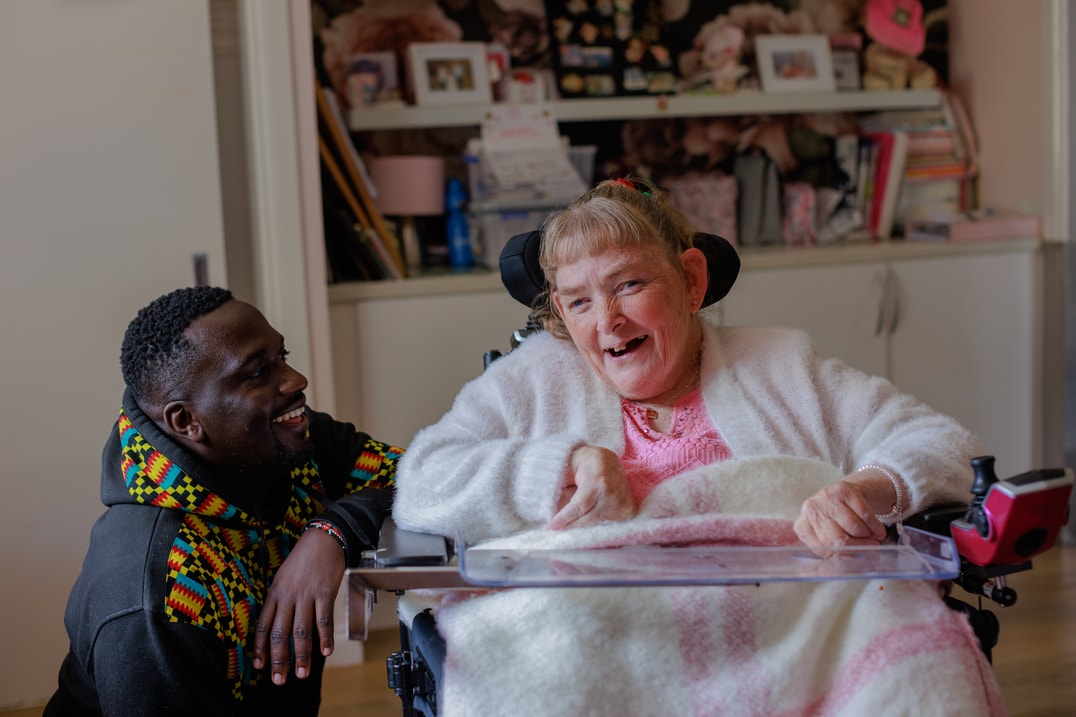
Creating a Comfortable and Safe Environment in SIL Homes
Learn how to create a comfortable and safe environment in SIL homes with smart technology, personalised care, and solutions that support independence and well-being.


If you or someone you support lives in a Supported Independent Living home, 2026 brings important changes you need to know about.
The NDIS is introducing mandatory registration for all SIL providers and new practice standards that raise the bar for quality and safety across the sector. These changes affect participants and families, support coordinators and plan managers, and SIL providers of all sizes.
The good news is that the changes are designed to protect participants and improve the quality of SIL support across Australia. For people living in well-managed, registered SIL homes, day-to-day life should not change significantly. But understanding what is happening, and when, gives you the knowledge to ask the right questions and make sure your support is not disrupted.
This post explains what is changing, what the key deadlines are, what the new rules mean in practice, and what you should do right now.
Until now, some SIL providers in Australia have been able to operate without being registered with the NDIS Quality and Safeguards Commission. This is changing.
From 1 July 2026, mandatory registration applies to all SIL providers. This means providers delivering Supported Independent Living services under the NDIS are required to be registered with the NDIS Commission.
This change is significant. Registration requires providers to meet the NDIS Practice Standards, undergo audits, and demonstrate that their services are safe, quality, and person-centred. Mandatory registration means participants can have greater confidence that every SIL provider they work with has been assessed and approved.
The NDIS Commission has created a new and specific registration class for SIL services. It is called group 0138, and its full name is Assistance with Supported Independent Living.
This new registration class reflects the specialised nature of SIL support. Living in a shared home with on-site support is different from other disability services. Group 0138 recognises that difference and establishes registration requirements specific to SIL.
All providers delivering SIL from 1 July 2026 must hold registration under group 0138. This is a non-negotiable requirement under the new rules.
From 1 July 2026, any new SIL provider, meaning one that was not already delivering SIL services before this date, must be fully registered under group 0138 before they start delivering services. They cannot begin providing SIL to participants until their registration is in place.
This protects participants from receiving support from unvetted providers. It also creates a level playing field across the sector.
Providers who were already delivering SIL services before 1 July 2026 without being registered are given a transition period. They have until 1 October 2026 to submit their online registration application for group 0138.
This transition window gives existing unregistered providers time to prepare their application and gather the required evidence. But it is not an open-ended extension. The deadline is firm.
The consequences for missing the 1 October 2026 deadline are significant.
Unregistered providers who have not submitted their group 0138 application by 1 October 2026 can only claim for services delivered up to 30 September 2026. After that date, plan managers are required to reject invoices from unregistered providers who have not applied.
This means participants supported by an unregistered provider that fails to apply by the deadline could face a disruption to their support. Understanding your provider's registration status before this date is essential.
Date | What happens |
1 July 2026 | Mandatory registration begins. All new SIL providers must hold group 0138 registration before delivering services. |
1 July 2026 | Existing unregistered providers may continue delivering SIL while their transition application is pending. |
1 October 2026 | Deadline for existing unregistered providers to submit their group 0138 registration application. |
Ongoing | All SIL providers must comply with new Module 5A Practice Standards. |
Alongside the mandatory registration changes, the NDIS Commission has introduced new NDIS Practice Standards specifically for SIL providers. These are contained in Module 5A.
Module 5A sets out 4 key areas of practice that all registered SIL providers must meet.
SIL providers must actively support participants to make their own decisions about their lives and their support. This means ensuring that residents have real choice and control over everyday decisions, from what to eat and when to sleep, to how their home is arranged and who is involved in their support.
Supported decision-making is not just about asking permission. It is about building systems and practices that genuinely centre the participant's voice in every decision that affects them.
SIL homes are shared living environments. This creates specific safety considerations that do not apply to individual living arrangements.
Module 5A requires providers to have clear, documented processes for managing safety in shared homes. This includes how incidents are identified and reported, how conflicts between residents are managed, and how the physical environment is maintained to keep everyone safe.
Creating a safe and comfortable SIL environment is not just a regulatory requirement. It is the foundation of a home where people feel secure and can thrive.
Practice governance refers to the systems, oversight, and accountability structures that ensure quality SIL support is delivered consistently. Providers must demonstrate that they have strong governance in place, including staff supervision, quality monitoring, and continuous improvement processes.
This requirement recognises that good SIL support does not happen by accident. It requires deliberate systems and leadership to maintain quality across every home and every shift.
Module 5A requires a clear separation between the tenancy or housing arrangements for a participant and the support services they receive. This means providers cannot bundle housing and support in a way that makes it difficult for a participant to change their support provider without losing their home.
This is an important protection for participants. It ensures that choosing to change your SIL provider does not automatically mean you have to move out of your home. Housing security and support arrangements must be kept clearly separate.
For most participants living in well-managed, registered SIL homes, day-to-day support should not change significantly as a result of these reforms.
The changes are primarily directed at providers. They require providers to meet higher standards and go through a formal registration process. For participants in homes managed by already-registered providers, the transition should be largely invisible.
What may change over time is the quality floor across the sector. As all providers are required to meet the same standards, the gap between the best and worst SIL providers should narrow.
You can check whether your SIL provider is registered with the NDIS Commission using the NDIS Provider Finder. Search for your provider by name and look for registration under the relevant support categories.
You can also ask your provider directly. A reputable SIL provider will be happy to confirm their registration status and answer questions about their compliance with the new requirements.
Your support coordinator can also help you check and interpret your provider's registration details.
If you discover that your current SIL provider is not registered and has not applied for group 0138 registration before the 1 October 2026 deadline, you may need to consider finding a new provider.
This is a significant step and should not be rushed. Talk to your support coordinator as early as possible if you have concerns about your provider's registration status. Starting that conversation early gives you more time to explore your options without disrupting your support.
SIL providers who are not yet registered need to apply for group 0138 registration through the NDIS Commission's online portal. The application requires providers to demonstrate that they meet the NDIS Practice Standards, including the new Module 5A requirements.
Providers should begin preparing their application well before the 1 October 2026 deadline. The registration process takes time. Leaving it until the last moment creates unnecessary risk of missing the deadline.
The NDIS Commission's mandatory registration reform hub has detailed guidance on the application process and what evidence is required.
Providers who are already registered under group 0115 for SIL will be automatically transitioned by the NDIS Commission to include group 0138. This means they do not need to submit a new application.
However, even automatically transitioned providers need to ensure they are meeting the new Module 5A Practice Standards. Automatic transition to the new registration class does not mean automatic compliance with all new requirements.
All SIL providers should review their current practices against the 4 areas of Module 5A: supported decision-making, safety in shared homes, practice governance, and tenancy and housing support separation.
Where gaps exist, providers need to develop and implement updated policies, training, and systems before the standards take effect. Providers who leave this work until the deadline will be under pressure. Starting now is the right approach.
Scope is a fully registered NDIS provider. Scope's Supported Independent Living service is delivered across Victoria and New South Wales in compliance with all NDIS Practice Standards, including the new requirements coming into effect in 2026.
Scope welcomes the mandatory registration reforms. The changes align with the values and standards Scope has upheld for over 75 years. Strong governance, person-centred support, genuine safety, and clear separation of housing and support arrangements are not new concepts at Scope. They are the foundation of how Scope operates every day.
For participants living in Scope's SIL homes, the 2026 changes mean continuity and confidence. Ali, who found stability and belonging at Scope's Pascoe Avenue home in Victoria, is supported by a team that has always operated to the highest standards. The new rules formalise what Scope has always done.
Doug and his Lifestyle Mentor Poli built a genuine friendship through Scope's SIL program, bonding over loud music and cars. The quality of that relationship, and the quality of life it represents, reflects exactly the kind of person-centred, safe, and supportive environment that Module 5A is designed to protect and strengthen across the sector.
Scope also has brand new SIL homes available in 2026 across Melbourne's eastern and western suburbs, all built and managed to the highest standards of safety, accessibility, and quality.
To check current SIL vacancies or to learn more about Scope's approach to SIL, visit the Scope website or get in touch with the team today.
The mandatory registration reforms and new Module 5A Practice Standards are good news for participants. They mean higher standards, stronger accountability, and greater confidence that every SIL provider in Australia is meeting a consistent quality benchmark.
For participants and families, the most important action right now is to check your provider's registration status and start the conversation with your support coordinator if you have any concerns.
For providers, the message is clear. The deadline is firm. Start your registration application now and review your practices against Module 5A without delay.
And for anyone looking for a SIL home that already meets the highest standards of quality, safety, and person-centred support, Scope is here to help.
Visit Scope's Supported Independent Living page or check current SIL vacancies across Victoria and New South Wales today.
Learn how to create a comfortable and safe environment in SIL homes with smart technology, personalised care, and solutions that support independence and well-being.
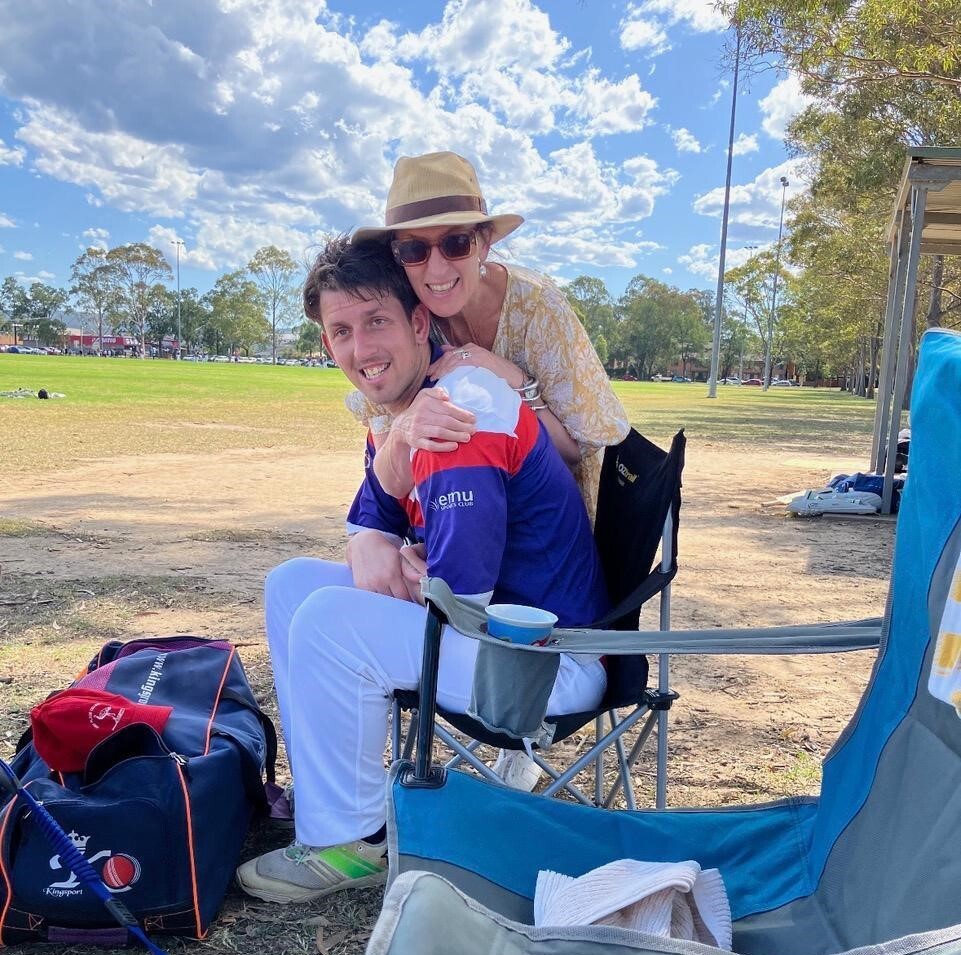
The end of summer means the end of the season for cricket clubs around the country. Some teams will celebrate success while others plan how to improve. For Will, Scope SIL client who lives with autism, and Ange, his mum, every season is successful.
Discover the benefits of Supported Independent Living homes in Melbourne 2026—greater independence, personalised support, and a better quality of life.