Living with Dysphagia: Tips and Strategies for Daily Life
Discover practical tips and strategies for managing dysphagia daily, from meal planning to safe swallowing techniques, enhancing quality of life.

Finding the right home is one of the most important decisions a person can make.
For people with disability in Victoria, that decision comes with an extra layer of complexity. It is not just about finding a place you like. It is about finding a place where you will have the right support to feel safe, comfortable, and genuinely at home.
Supported Independent Living accommodation makes that possible. It combines a real home environment with the funded support each person needs to live life on their own terms.
This post explains where to find SIL accommodation in Victoria, what to look for, and how Scope can help you find the right fit.
Supported Independent Living, or SIL, is an NDIS-funded support that helps people with disability live in a home with the assistance they need for daily life. SIL is funding for support workers who assist people with higher support needs to live as independently as possible in their home. Support workers are available to help with personal care, household tasks, meals, medication, and community access.
SIL is not just about the physical support. It is about creating a home where a person feels respected, valued, and genuinely supported to pursue their goals.
Most people in SIL live in a shared home with other participants. This allows the cost of support to be shared while each person still receives individual, personalised support tailored to their own needs and goals.Shared living arrangements remain one of the most common SIL models, although individual arrangements also exist.
SIL is different from other housing options because it combines accommodation with funded, on-site support. The support workers are not just visiting. They are part of the home environment.
This is different from Specialist Disability Accommodation (SDA), which is housing specifically designed for people with very high support needs. SDA covers the physical home. SIL covers the support provided within it. Some participants are funded for both.
It is also different from in-home support, where a support worker visits a person's own home for set hours. SIL provides a more consistent, integrated support environment where help is available when it is needed.
Melbourne has a strong network of SIL accommodation options. Homes are spread across the eastern, western, northern, and southern suburbs, covering a wide range of locations, environments, and support settings.
When searching for SIL in Melbourne, think about what matters most to the person. Proximity to family. Access to public transport. Closeness to community activities or day programs. The right location makes a real difference to quality of life.
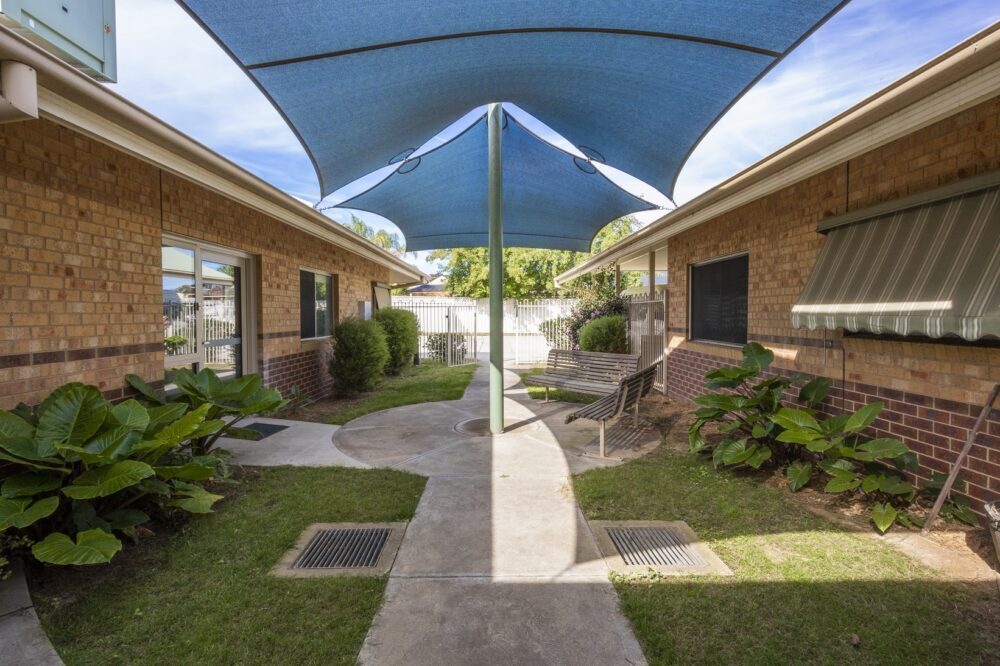
Scope has SIL homes across Melbourne's metropolitan area. Scope is also excited to announce brand new SIL homes available in 2026, with 7 purpose-built homes across Melbourne's eastern and western suburbs. These homes have been designed with independence, comfort, and community in mind.
SIL accommodation is not limited to Melbourne. People with disability living in regional Victoria also have options.
Scope provides accessible and inclusive living support in regional Victoria, helping people find SIL options closer to their communities, families, and support networks. Living in a regional area should not mean fewer options or lower quality support.
There are several ways to find SIL vacancies in Victoria.
The NDIS website can help you search for registered SIL providers in your area and contact them about availability
The Summer Foundation's Housing Hub is another useful resource. It is a national database of available SIL and SDA vacancies across Australia, including Victoria. You can search by location, support needs, and home type.
You can also check Scope's current SIL vacancies directly on the Scope website. Scope's vacancies page is updated regularly and covers homes across Melbourne and regional Victoria.
If you have Support Coordination included in your plan, a support coordinator can also help you search. They have knowledge of the local market and can help you find options that match your needs and NDIS funding.
Finding a vacancy is just the first step. Finding the right home takes a little more thought. Here is what matters most.
Location affects everything. The home should be in an area that works for the person's life. Close to family if that is important. Near public transport if the person wants to get out independently. In a neighbourhood that feels safe and welcoming.
The home environment itself also matters. Is it clean and well-maintained? Does it feel homely? Are there common spaces where residents can spend time together? Does it have outdoor space? Does the layout work for the person's physical needs?
Visit the home before you commit. A visit will tell you far more than a brochure.
The provider is just as important as the home. The support workers who live alongside or regularly visit the person will shape their daily experience far more than the physical environment.
Look for a provider with a track record of delivering person-centred support. Ask about staff training, consistency of support workers, and how the provider responds when things go wrong.
All registered SIL providers must meet the NDIS Practice Standards set by the NDIS Quality and Safeguards Commission. But the best providers go well beyond the minimum. They build genuine relationships. They listen. They celebrate the people they support.
Here are some important questions to ask any SIL provider before making a decision:
How do you match housemates to make sure everyone is compatible?
What is your staffing model and how do you handle staff changes?
How do you develop and review individual support plans?
How do you involve residents in decisions about their home?
What happens if a resident's needs change over time?
A good provider will welcome every one of these questions and give clear, honest answers.
What to check | What to look for |
Location | Close to family, transport, community activities |
Home environment | Clean, homely, accessible, outdoor space |
Housemate compatibility | Matched by lifestyle, interests, and support needs |
Support staffing | Consistent workers, trained and caring team |
Provider registration | Registered NDIS provider meeting Practice Standards |
Resident involvement | Residents have a say in house rules and decisions |
Vacancy alignment | Home and support match the person's NDIS funding |
SIL is funded under Core Supports in an NDIS plan. The amount of SIL funding a participant receives is based on an assessment of their individual support needs. This assessment looks at the type of support needed, the hours required, and whether overnight or 24-hour support is necessary.
SIL funding can be significant. It is one of the largest funding categories for eligible participants. Getting the assessment right and having it properly documented in your plan is essential.
SIL funding covers the cost of support provided in the home. It does not cover rent, food, or personal expenses. Participants pay these costs from their own income or benefits.
To access SIL, it needs to be included in your NDIS plan. At your planning meeting or plan review, be prepared to talk about:
Why you need SIL and what daily support you require
What your goals are for living independently
Whether you have had a SIL assessment completed by a qualified assessor
What type of home environment suits your needs
If you have Support Coordination included in your plan, a support coordinator can help you prepare for this conversation, gather the right evidence, and advocate for the right level of funding in your plan.
Scope has been supporting people with disability to live well for over 75 years. Scope's Supported Independent Living service is one of the most established and experienced in Victoria. Scope's SIL homes are warm, well-maintained, and designed to feel like a real home.
Scope's support workers are trained, consistent, and genuinely caring. They build real relationships with the people they support. They celebrate achievements. They encourage independence. And they are there when it matters most.
Ali's story is a powerful example of what Scope's SIL support can do. After moving house, Ali felt unsettled and uncertain. With Scope's SIL support at Pascoe Avenue in Victoria, Ali found stability, routine, and a real sense of belonging. The right home with the right support changed everything.
Doug's story shows something equally important. SIL participant Doug and Lifestyle Mentor Poli built a genuine friendship through Scope, bonding over loud music and cars. Doug's quality of life improved significantly through consistent, personalised SIL support. His story is a reminder that Scope's SIL is about more than tasks. It is about connection, joy, and belonging every single day.
Scope's reach across Victoria is also growing. With brand new SIL homes available in 2026 across Melbourne's eastern and western suburbs, and continued support in regional Victoria, Scope is committed to giving more people with disability access to a home that truly fits.
Families and participants across Victoria consistently highlight Scope's warmth, professionalism, and genuine commitment to the people they support. When you choose Scope, you are choosing a provider that has spent more than 75 years learning how to get this right.
Finding the right SIL accommodation in Victoria takes time. But it is worth it. The right home, with the right support and the right provider, can genuinely transform a person's life.
Scope has homes available now and brand new homes opening in 2026 across Melbourne and regional Victoria. Every home is built around the people who live in it. Every support plan is built around the individual.
If you are ready to explore your options, visit Scope's current SIL vacancies to see what is available right now. Or learn more about Scope's Supported Independent Living service and get in touch with the Scope team today.
Your next home is waiting. Let Scope help you find it.
Discover practical tips and strategies for managing dysphagia daily, from meal planning to safe swallowing techniques, enhancing quality of life.
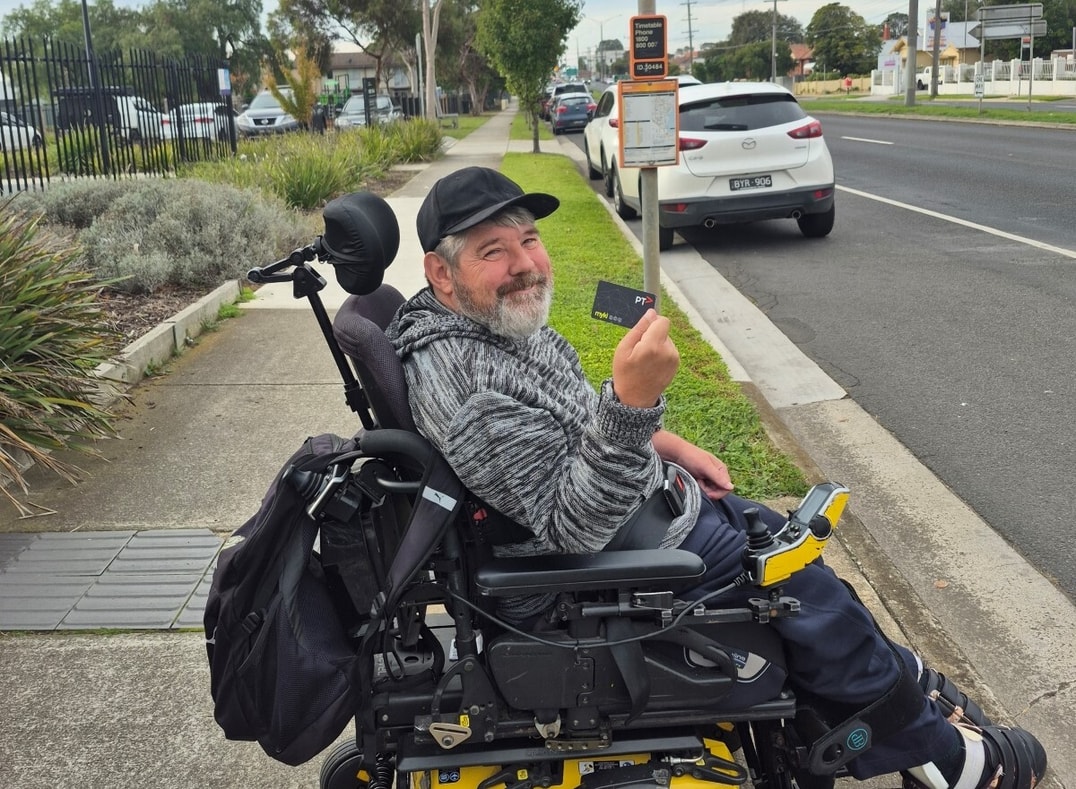
Catching the bus, getting around the community and stopping for a bite to eat might seem like an ordinary day. For one Scope client, it represents something much bigger.
Scope delivers Specialist Disability Accommodation (SDA) in partnership with trusted landlords and developers, ensuring homes meet NDIS standards. We continuously review all SDA homes to maintain safety, quality, and compliance, so every client has a safe and supportive place to live.