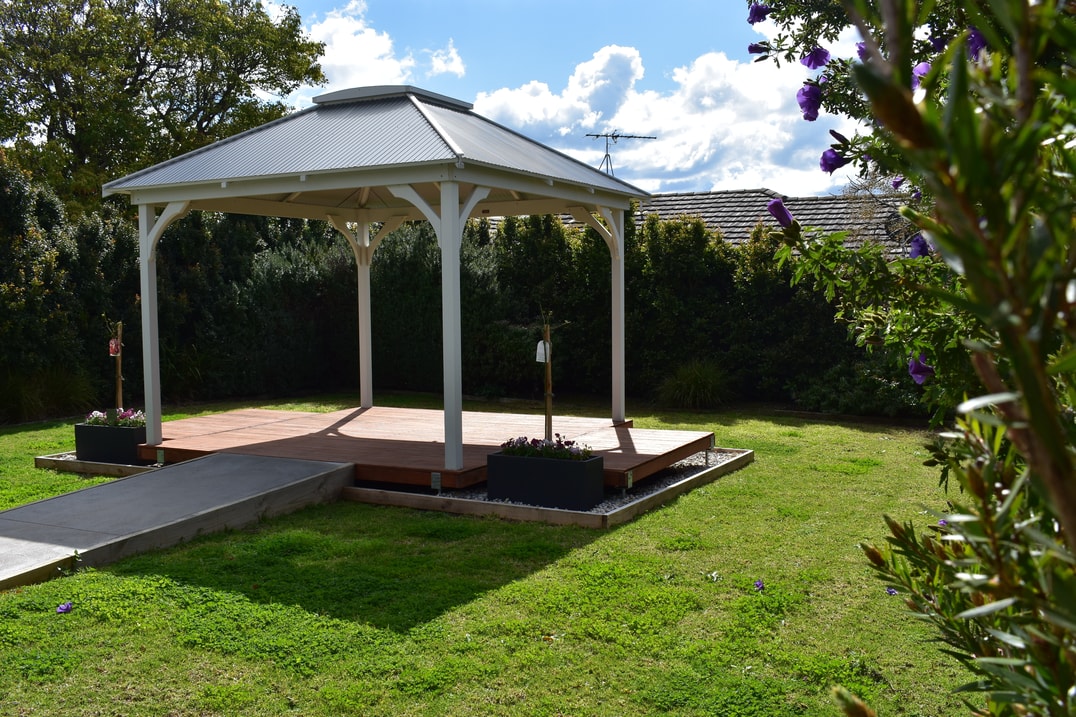
A lasting tribute of Connection
Creating a space for reflection, connection, and joy — thanks to your generosity

Technology is moving fast. For people with disabilities, that is genuinely exciting news.
The right piece of assistive technology can change what a person does every day. It can help someone communicate for the first time. It can help someone move around their home more safely. It can open up education, employment, and social connection in ways that were not possible before.
In 2026, the world of assistive technology is expanding rapidly. New tools are becoming more affordable, more personalised, and more powerful. This post covers the key assistive technology trends to watch this year and what they mean for people with disability in Australia.
Assistive technology, or AT, is any device, piece of equipment, or software that helps a person with disability do something more easily or independently.
AT covers a very wide range of tools. It includes simple items like a non-slip mat or a jar opener. It also includes complex devices like a powered wheelchair or a speech-generating communication device.
The common thread is this: AT helps a person do what they want to do, in a way that works for them.
The NDIS funds assistive technology that helps participants pursue their goals and increase independence. AT is funded under the Capital Supports budget in an NDIS plan.
Low-cost AT under $1,500 is generally easier to access if it meets NDIS criteria
. Higher-cost AT, like a powered wheelchair or complex communication device, usually requires an assessment from a qualified therapist first.
A support coordinator or occupational therapist can help you understand what AT might be right for you and how to include it in your NDIS plan.
Augmentative and Alternative Communication (AAC) devices help people who have difficulty speaking to communicate. In 2026, AI is making these devices significantly more capable.
AI-powered AAC devices can now learn a person's communication patterns over time. They can predict what a person wants to say based on context. They can generate more natural-sounding speech. And they are becoming easier and faster to use.
For people with complex communication needs, this is a significant development. Communication that is faster and more natural leads to greater independence and stronger relationships.
Smart home technology is becoming an important tool for people with disabilities. Voice-activated assistants, automated lighting, smart locks, and app-controlled appliances all give people more control over their environment.
For someone who uses a wheelchair or has limited hand function, being able to turn on a light, lock a door, or adjust the temperature without physical effort is genuinely life-changing. Many tools are becoming more affordable and easier to set up than ever before.
In 2026, smart home AT is moving beyond basic automation. New systems allow much more personalised control, including integration with other AT devices like powered wheelchairs and communication aids.
Wearable devices are increasingly being used to support people with disabilities in new ways. Smartwatches and wearable sensors can now monitor heart rate, detect falls, track sleep patterns, and send alerts to carers or family members when support is needed.
For people who live independently, this kind of technology provides an important safety net. It supports independence while giving families and support teams peace of mind.
The Therapeutic Goods Administration (TGA) is increasingly recognising and regulating medical-grade wearable devices in Australia, which means more options are becoming available with appropriate quality standards in place. Wearables can support safety monitoring but should not replace professional care.
Eye gaze technology allows a person to control a computer, tablet, or communication device using only their eye movements. Switch access technology allows people to control devices using a single switch, activated by any reliable body movement.
These technologies are not new. But in 2026, they are becoming faster, more accurate, and more integrated with everyday devices. They are also becoming lighter and easier to mount on wheelchairs and other equipment.
For people with physical disabilities who have limited hand or arm movement, eye gaze and switch access technology can unlock access to communication, education, employment, and entertainment.
Apps designed specifically for people with disabilities are growing rapidly in quality and number. There are apps for managing NDIS plans, apps for building daily living skills, apps for supporting people with autism in social situations, and apps for people with low vision to read printed text.
According to ADCET, AT plays a critical role in supporting people with disability in education and employment settings. Digital tools and apps are an increasingly important part of that picture, helping people with disabilities participate more fully in study and work.
Many of these apps are low cost or free. They can be a practical first step for people exploring what AT might help them before committing to more expensive equipment.
AT Trend | Who it helps most | NDIS Funded? |
AI-powered AAC devices | People with complex communication needs | Yes, Capital Supports |
Smart home technology | People with physical disability or limited mobility | Yes, for eligible participants |
Wearable health and safety monitors | People living independently, families and carers | Some items, check with planner |
Eye gaze and switch access | People with limited hand or arm movement | Yes, Capital Supports |
Apps and digital daily living tools | Wide range of disability types | Low-cost items via Core Supports |
The best starting point is a conversation with your support coordinator or a qualified therapist. An occupational therapist (OT) can assess your daily living needs and recommend AT that matches your goals and environment.
It is also worth thinking about what you find difficult in your daily life. Are there tasks that take longer than they should? Are there things you would like to do but cannot do independently right now? AT may be able to help.
You do not need to know exactly what you need before you ask for help. That is what the assessment process is for.
AT goals need to be in your NDIS plan for funding to be allocated. At your next planning meeting, talk about:
The daily tasks you find difficult or want to do more independently
Any AT you have tried before and whether it helped
Whether an OT assessment for AT has been recommended
The type of AT you are interested in and approximately what it costs
A support coordinator can help you prepare for this conversation. The more specific you can be about your goals, the easier it is for your planner to include the right funding.
Scope's assistive technology assessment services are delivered by a team of experienced occupational therapists and allied health professionals. Scope's therapists assess a wide range of AT needs, from wheelchair prescription and seating to mealtime management and daily living equipment.
Tony is one example of what the right AT can make possible. Tony uses a wheelchair and wanted to get out into his backyard independently. With the right support and equipment assessment from Scope, Tony found a way to access the outdoor spaces he loves. Sometimes the right AT solution is simpler than you might expect. And sometimes it changes everything.
Scope also supports people with complex communication aids needs. Scope's speech pathologists work with people to find the right AAC device, communication board, or digital tool. Scope's own Tools2Talk Now app lets people design and print personalised communication aids quickly and easily. It is a practical, accessible tool that puts communication in the hands of the person who needs it.
Families and participants across Scope's Victoria and New South Wales locations consistently highlight the positive impact that the right AT assessment has had on independence and quality of life.
Assistive technology is not just about devices and gadgets. It is about what those tools make possible. More independence. More connection. More choice and control over everyday life.
In 2026, the options available to people with disability are broader, smarter, and more personalised than ever before. The key is knowing what is out there and getting the right support to find what works for you.
If you would like to explore what assistive technology might help you or someone you support, visit Scope's assistive technology assessment services or get in touch with the Scope team today.
Creating a space for reflection, connection, and joy — thanks to your generosity
The past few months have been a very exciting time at Scope, and as our loyal supporters I am delighted to share our news with you.
Recent university graduates eager to cut their teeth in the disability sector have enjoyed an intensive two-day workshop preparing them for their budding careers.
