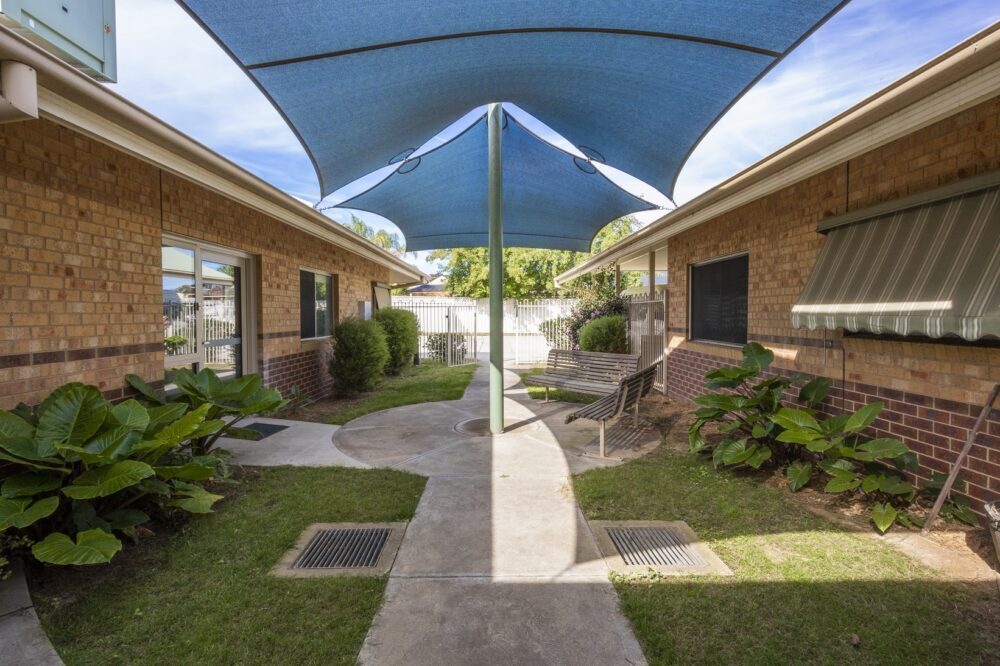
What is Supported Independent Living (SIL)?
With all the different support options funded by the NDIS it can be confusing. Let’s look at one of those supports – Supported Independent Living.
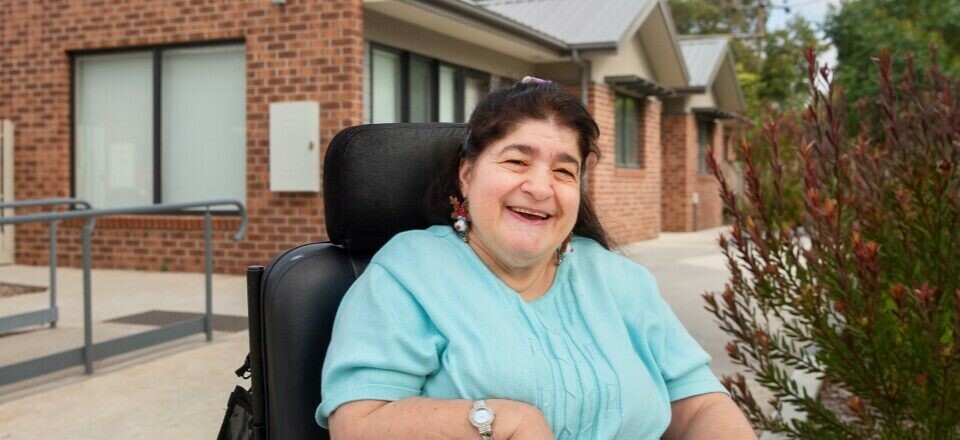

Supported Independent Living homes play a vital role in supporting individuals who require assistance with daily tasks while promoting independence and dignity. These homes provide personalised care in a safe and supportive environment, allowing residents to live as autonomously as possible while receiving the help they need for activities such as cooking, personal care, and managing their health.
In recent years, technology has become an essential part of improving the services offered in these homes. From health monitoring devices to smart home systems, innovative tools are helping caregivers provide better care while giving residents more control over their lives. These advancements not only enhance safety but also contribute to a higher quality of life by making everyday tasks easier and more manageable.
This blog explores the various ways technology is reshaping Supported Independent Living homes. We will look at how modern solutions are helping both caregivers and residents adapt to new challenges while ensuring comfort, security, and greater independence. Through this exploration, it becomes clear that technology is not just a tool but a partner in creating better living experiences.
If you are looking for Supported Independent Living homes, choose Scope Australia for fully technology-equipped homes. Experience greater independence, safety, and personalised care with innovative solutions designed for your well-being.
One of the biggest challenges in Supported Independent Living is ensuring that residents maintain their independence while still receiving the support they need. Care providers must carefully assess each individual’s capabilities and limitations to offer assistance without making them feel dependent or restricted. Striking this balance is essential for preserving dignity and promoting self-confidence, but it requires ongoing evaluation and adjustment to meet changing needs.
Ensuring the health and safety of residents is a top priority, but constant monitoring can sometimes feel invasive or uncomfortable. Caregivers need ways to track vital signs, medication schedules, and emergency alerts without compromising privacy. Finding solutions that respect personal space while providing reliable oversight is a complex challenge that requires both sensitivity and advanced technology.
Many residents face communication difficulties or have sensory impairments that make it hard to interact with caregivers or access services. Language differences, hearing loss, or cognitive impairments can create barriers that limit participation in daily activities. Providing adaptive communication tools and accessible interfaces is necessary to ensure that every resident can express their needs and remain connected with support networks.
Supported Independent Living homes often operate with limited funding and a shortage of trained staff. Care providers must manage workloads carefully while ensuring that each resident receives adequate attention and assistance. Recruiting, training, and retaining qualified caregivers is a constant struggle, especially when the demand for personalised care continues to grow. Efficient use of technology can help alleviate some of these pressures, but resource constraints remain a significant challenge.
Smart home devices are transforming the way residents in Supported Independent Living homes interact with their environment. Voice assistants like Alexa or Google Home allow individuals to control appliances, lights, and entertainment systems through simple voice commands. This hands-free interaction enhances independence, especially for those with mobility or dexterity challenges. Automated systems for lighting, temperature, and energy management ensure that residents can adjust their surroundings easily and comfortably, while also reducing energy consumption. These technologies create a safer and more convenient living space without requiring constant caregiver intervention.
Health monitoring systems are crucial for ensuring the well-being of residents while allowing them to maintain their autonomy. Wearable devices such as fitness trackers and smartwatches monitor vital signs like heart rate, blood pressure, and activity levels in realtime. These devices help detect changes in health early, enabling timely interventions. Remote monitoring tools provide caregivers with alerts when emergencies such as falls or irregular heart rhythms occur, ensuring that help is dispatched immediately. These systems offer peace of mind to both residents and their families while promoting proactive and personalised care.
Communication is often one of the biggest hurdles in independent living, but modern tools are bridging the gap. Video calling platforms enable residents to stay connected with family members, healthcare professionals, and support networks without needing to leave their homes. This reduces feelings of isolation and ensures that residents can receive medical advice and emotional support when needed. Mobile apps also assist in daily routines by sending reminders for medication, appointments, or self-care tasks. These tools empower residents to manage their schedules effectively and stay engaged with their care providers.
Assistive technologies provide targeted support for residents with mobility or cognitive challenges. Mobility aids like walkers and wheelchairs equipped with smart sensors can detect obstacles, monitor movement patterns, and prevent accidents. These features not only enhance safety but also encourage residents to remain active and mobile. AI-powered tools offer cognitive assistance by helping users remember tasks, appointments, or personal routines. These tools can deliver personalised prompts and guidance, making everyday life easier and reducing anxiety for both residents and caregivers. Together, these technologies offer a more adaptive and supportive living environment.
Falls are one of the most common and serious risks for residents in Supported Independent Living homes. Modern fall detection systems use sensors embedded in wearables or installed in living spaces to monitor movement and detect sudden changes that may indicate a fall. Once a fall is detected, the system immediately sends alert notifications to caregivers, family members, or emergency services. This rapid response capability ensures that residents receive help when they need it most, minimizing the risk of further injury and providing peace of mind.
Safety extends beyond fall prevention, and automated door locks and security systems play a critical role in protecting residents from external threats or accidental wandering. Smart locks can be programmed to allow entry only to authorised caregivers or family members, while monitoring systems track activity within and around the home. In case of emergencies, such as a fire or break-in, these systems can lock doors or trigger alarms to ensure the safety of residents. These technologies provide both security and convenience, allowing residents to feel protected without feeling confined.
Technology enables seamless communication between residents, caregivers, and healthcare providers, allowing for faster and more informed decision-making. Health monitoring devices can share realtime data with doctors and care teams, helping them track ongoing conditions or detect early warning signs. Integration with healthcare networks also enables scheduling regular check-ins and virtual consultations, ensuring that medical support is available when needed. By bridging the gap between home care and clinical services, these systems help deliver timely interventions, improve treatment outcomes, and reduce hospital visits. This connected approach to care significantly enhances the overall safety and well-being of residents.
One of the most powerful ways technology promotes independence in Supported Independent Living homes is by giving residents control over their surroundings. Accessible interfaces, such as voice-activated systems and touchscreen panels, allow users to adjust lighting, temperature, and entertainment without assistance. These tools are designed to be user-friendly, even for individuals with mobility limitations or sensory impairments. By empowering residents to make adjustments on their own, technology fosters self-reliance and enhances confidence in managing everyday tasks.
Technology also plays a key role in motivating residents to engage in daily routines and activities. Smart reminders for medication, hydration, exercise, or appointments help individuals stay on track without feeling overwhelmed. Interactive platforms, such as virtual exercise classes or social apps, encourage participation in wellness programs and community events. These tools create opportunities for residents to take initiative in their own care while maintaining a sense of purpose and connection with others.
Data-driven technologies enable caregivers to create highly personalised care plans that reflect the unique needs and preferences of each resident. Wearable devices and health monitoring systems collect data on vital signs, activity patterns, and sleep quality, providing valuable insights into an individual’s health trends. This information helps caregivers adjust support strategies, set achievable goals, and anticipate potential challenges before they arise. By tailoring care to each person’s specific situation, technology not only improves outcomes but also empowers residents to actively participate in decisions that affect their well-being. This approach reinforces autonomy while ensuring that care remains compassionate and effective.
Technology has significantly reduced the manual tasks that caregivers traditionally had to perform, such as constantly checking on residents or recording health data. Automated monitoring systems track vital signs and detect emergencies in realtime, allowing caregivers to respond only when necessary. This not only saves time but also enables caregivers to focus on providing more personalised and meaningful care, rather than being overwhelmed by routine tasks.
In addition, technology helps streamline scheduling and workload management by providing tools that organise shifts, assign duties, and track progress efficiently. Caregivers can easily coordinate with each other and access relevant information through digital platforms. Communication between caregivers and healthcare professionals is also enhanced, as realtime updates and health reports can be shared instantly. This ensures timely interventions and better collaboration, reducing stress and improving the overall quality of care.
The future of technology in Supported Independent Living homes is set to be shaped by AI-driven predictive care solutions. These systems will analyse health data to anticipate potential issues before they arise, allowing caregivers to intervene early and prevent complications. By offering tailored insights and recommendations, AI will help create more proactive and efficient care plans that enhance residents’ well-being while reducing the risk of emergencies.
Virtual reality is also expected to play a major role in therapy and engagement, providing immersive experiences that support mental health, cognitive training, and social interaction. Through virtual environments, residents can participate in therapeutic exercises, connect with others, and explore new activities from the comfort of their homes. Furthermore, collaborations between technology companies, healthcare providers, and SIL organisations will foster innovation, ensuring that solutions are practical, accessible, and designed around the unique needs of residents. These partnerships will drive the development of smarter, more compassionate care systems that empower individuals to live fuller and more independent lives.
Technology is playing an essential role in transforming Supported Independent Living homes by improving independence, safety, and overall quality of life. From smart home devices that give residents control over their environment to health monitoring systems that ensure timely care, these innovations are helping individuals live more confidently and comfortably. Assistive tools and communication platforms also create opportunities for greater participation and connection, while reducing the burden on caregivers.
It is important for organisations to embrace thoughtful technological solutions that are designed with the unique needs of residents in mind. By investing in tools that respect personal dignity and enhance care, they can create supportive environments where independence is encouraged and well-being is prioritised. The future of care is one where technology empowers both residents and caregivers, offering smarter solutions that promote safety, engagement, and a better quality of life for everyone involved.
If you are searching for Supported Independent Living homes, choose Scope Australia for fully technology-enabled living spaces. Enjoy enhanced independence, safety, and care tailored to your needs with cutting-edge solutions.
With all the different support options funded by the NDIS it can be confusing. Let’s look at one of those supports – Supported Independent Living.
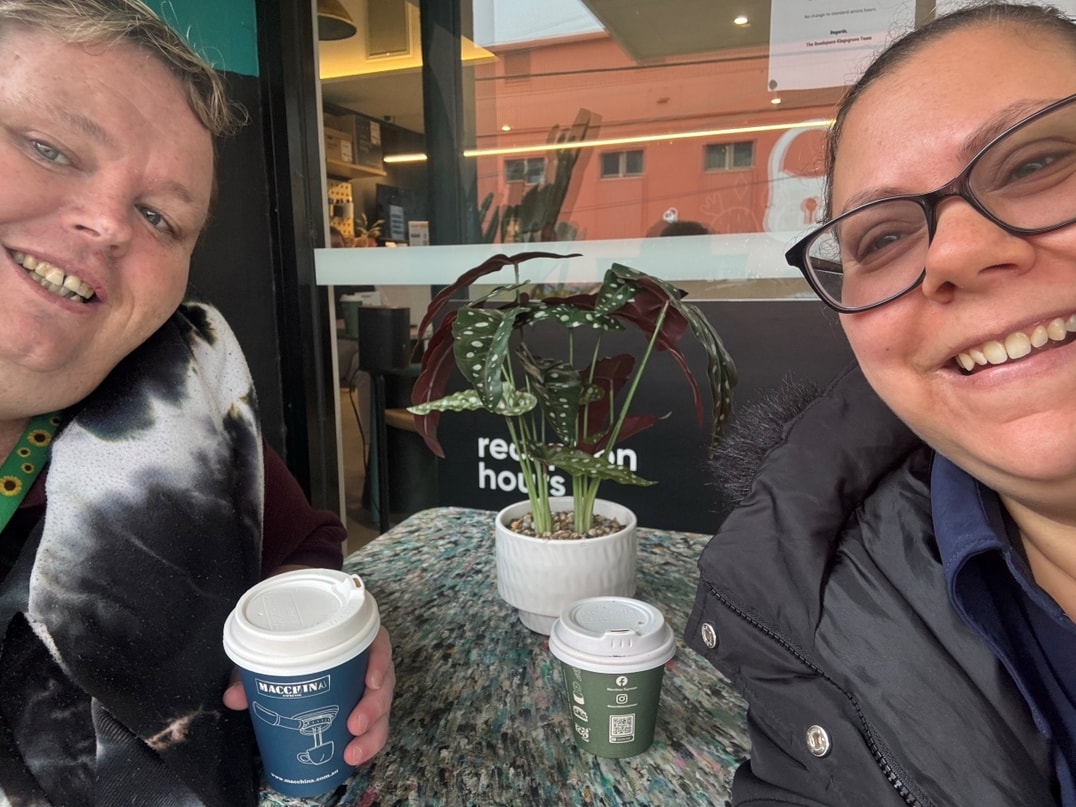
At Scope’s Kingsgrove office, there’s a partnership that staff know well. So well, in fact, that when one of them is away, colleagues often ask, “Where’s your sidekick today?” For receptionists Paul and Helen, teamwork is more than sharing tasks. It’s about trust, respect, support and making everyone who walks through the doors feel welcome.
Scope delivers Specialist Disability Accommodation (SDA) in partnership with trusted landlords and developers, ensuring homes meet NDIS standards. We continuously review all SDA homes to maintain safety, quality, and compliance, so every client has a safe and supportive place to live.