Different Accessibility Features that Supported Independent Living Offers
Explore how accessibility features support independent living, enhancing safety, mobility, and daily comfort for people with diverse needs.


When Colanda closed its doors in 2019, it marked the end of an era -- and the beginning of a new one. For decades, Colanda had been a central part of the disability support landscape in Colac, providing congregate (group) care to hundreds of residents. But as the sector evolved toward more person-centred, community-based models of support, Scope stepped in to ensure that the transition from institutional living to home-based care was not only smooth but transformative.
Jackie, a long-serving operations manager who was part of the transition, said, “Colanda was a congregate care facility. All the meals were pre-plated, there was no grocery shopping, and cleaning was done by staff. It was more like a motel model.”
Today, many former residents live in purpose-built homes with robust infrastructure, such as Scope’s supported independent living (SIL) home on Cants Road, which was specifically designed with input from Colanda families. “It’s a completely different experience,” Jackie said. “Residents now participate in cooking, cleaning, and shopping. Their homes are filled with personal belongings, and families are deeply involved -- some even helped build veggie gardens and brought in chooks.”
The difference is not just physical -- it’s emotional and social. Jackie shares the story of a resident who had limited engagement at Colanda but has since “blossomed” in their new environment. “They’ve built skills we didn’t even know they had. It’s been one of the most rewarding experiences to witness.”
Jasmine, a Scope Operations Manager who began her career at Colanda, highlights the strong sense of community in Colac. “Because Colanda was such a big part of the town, disability has always been visible and accepted here,” she said. “There’s a local café employing people with disabilities and an art studio where clients sell their work. It’s a very inclusive place.”
Jasmine’s journey from casual admin assistant to operations manager reflects the deep connections formed through her work. “I still run into former clients in the supermarket,” she said. “They remember me, and we catch up. That’s the beauty of a small town -- you maintain those relationships.”

A former direct care worker who started working at Colanda at just 18 years old and who is now at Scope, described the Cants Road home as a milestone. “It was built for Colanda families, with open spaces and a country outlook -- similar to what Colanda offered” they said. “Some residents love to walk on the concrete paths in the backyard and enjoy barbecues in the summer months. It’s also close to another Scope home, and families are super happy with the lifestyle enjoyed at Cants Rd.”

The property took 12 months and approximately $1 million to build, and it recently celebrated its six-year anniversary. “Colanda closed 10 years too late for the clients to get the total benefit of their new home,” they reflected, “but the transition was worth it. We’ve moved from institutional to social models of support, and now, as residents age, we’re adapting again.”
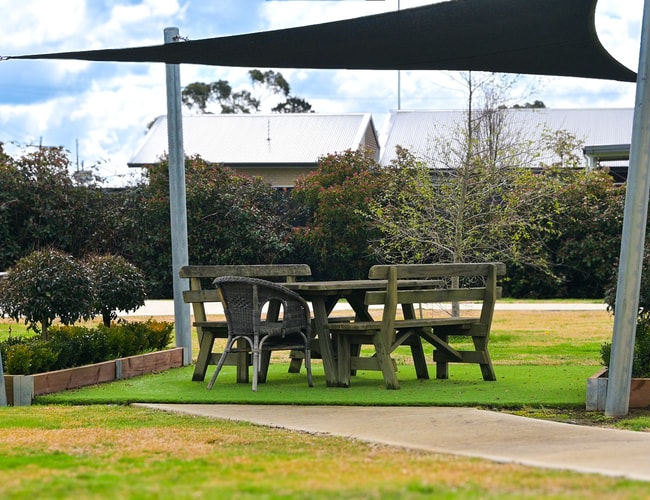
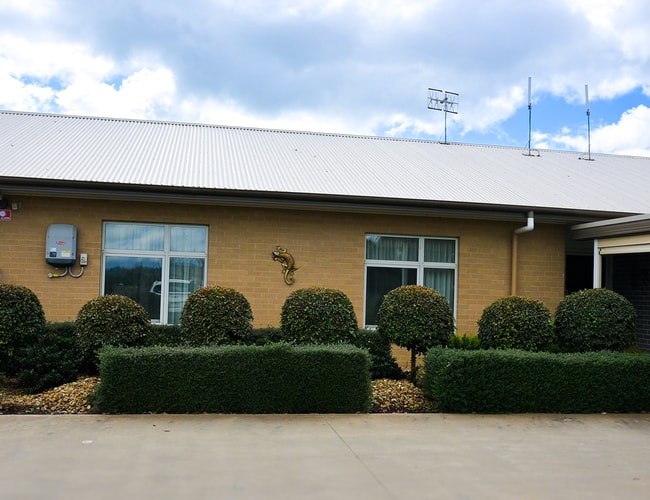


Some exterior shots of Scope’s SIL home on Cants Rd, Colac.
The closure of Colanda wasn’t just a logistical shift -- it was a cultural one. Scope’s approach prioritised choice, control, and dignity, ensuring that each resident could live their best life in a home that truly felt like theirs.
According to Jackie: “It was a new beginning. Families, staff, and the community came together to make sure it was special. And it was.”
Explore how accessibility features support independent living, enhancing safety, mobility, and daily comfort for people with diverse needs.
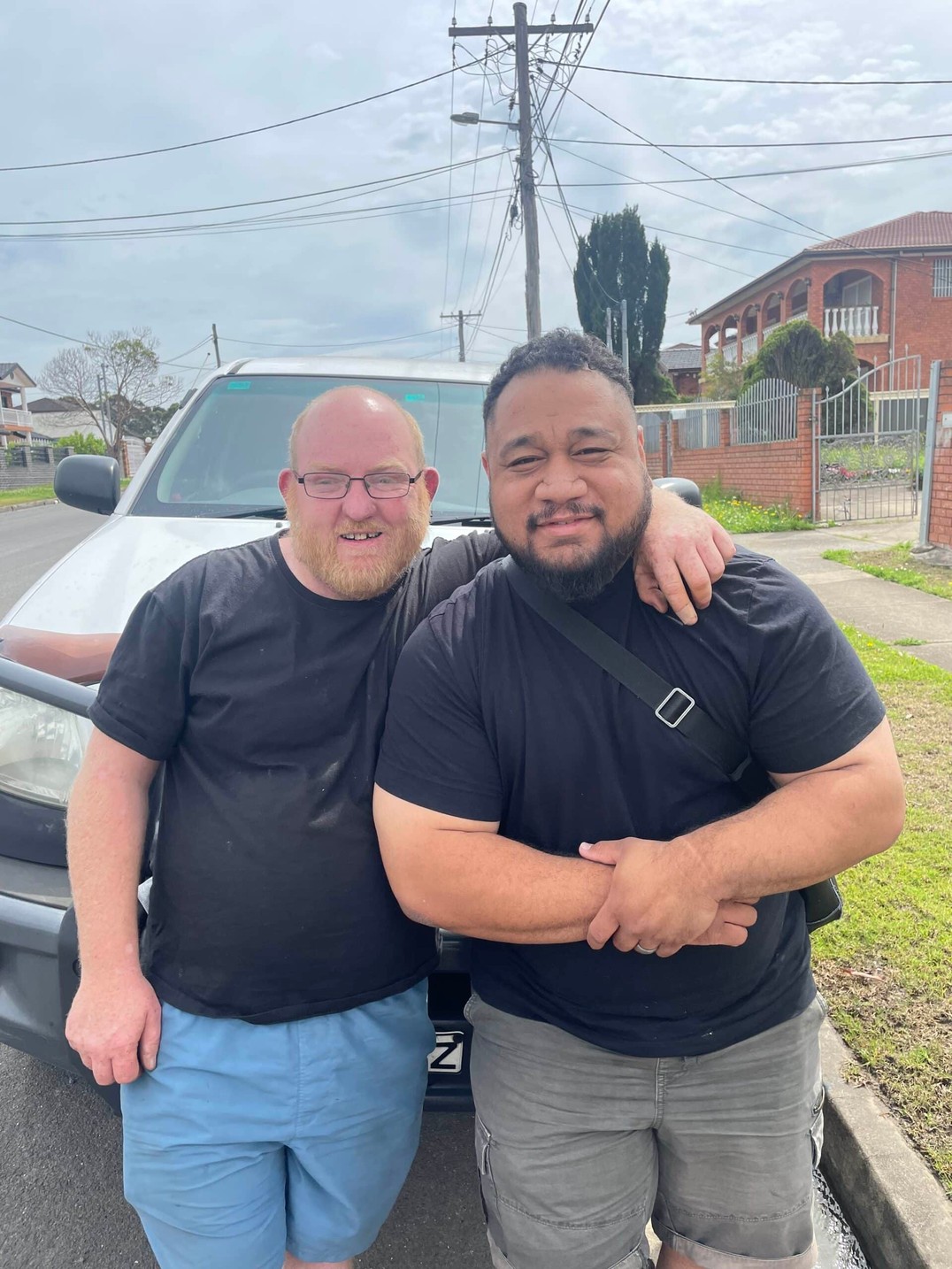
SIL Participant Doug and Lifestyle Mentor Poli met through Scope and their joint love of loud music, cars and mischief has quickly blossomed into a great working relationship and friendship.
We’re excited to share something new and inspiring—Scope’s first-ever podcast, Empower Half Hour, is coming soon!